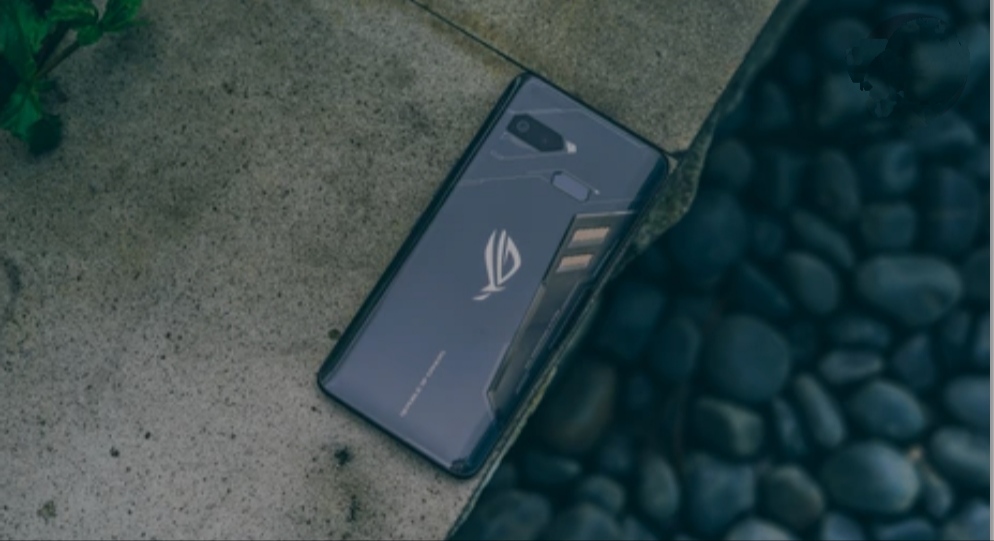
Full review of the Asus ROG Phone 5.
Following months of speculation, Asus has finally revealed the fourth-generation ROG Phone 5, omitting the ‘4′ marking, which is often associated with bad luck in China. Though it may appear to be comparable to its predecessor on the surface, Asus has worked hard to improve not just the hardware but also the software capabilities of the gaming phone
With a slew of extras, a new dot-matrix RGB system, and Qualcomm’s latest and greatest Snapdragon 888, you’ve got yourself a fantastic gaming phone. But, with so many capable options, such as Samsung’s Galaxy S21 Ultra and Apple’s iPhone 12 Pro Max, is it worth buying a phone dedicated to gaming? I’ve been gaming on the ROG Phone 5 for a while now, and here’s what I think.
Build and design
Conceive and construct
The Asus ROG Phone 5, which comes in white and black, is instantly recognisable as a gaming phone, with space-age graphic details on the glossy back and the illuminated ROG logo that has quickly become a mainstay of the ROG Phone design language, albeit it takes on a new form this time
Create and conceive
With space-age graphic features on the glossy back and the illuminated ROG logo that has rapidly become a cornerstone of the ROG Phone design language, the Asus ROG Phone 5, which comes in white and black, is readily recognised as a gaming phone.
While the colour gradients are appealing to the eye, they aren’t as thrilling as many had hoped – especially since the ROG Phone 5 Pro and limited edition 5 Ultimate include an improved (and fully customizable) PMOLED Vision display in place of the dot-matrix logo.
Gorilla Glass 3 protects the rear’s glossy RGB-enabled display, while Gorilla Glass Victus protects the front. Those concerned about the phone being damaged will be relieved to learn that a case – complete with cut-out for the RGB panel – is included in the box with the phone.
When you flip the phone over, you’ll see that the display is bigger than its 6.6in predecessor, measuring 6.8in, but the dimensions aren’t much different at 172.8 x 77.2mm x 10.3mm. The ROG Phone 5 achieves this thanks to a 25% reduction in bezels, according to Asus, and while this is a good adjustment, the ROG Phone 5 still has a prominent forehead and chin.
Although Asus maintains that this is done on purpose to allow for the incorporation of front-facing stereo speakers and to assist decrease unintended touches while gaming, They’ve arrived.
The display is large, with a 20.4:9 aspect ratio, which makes it easier to handle with one hand, but it’s far too lengthy to use with just one. Even with my huge hands, I can barely reach the middle of the screen with my thumb, forcing me to shimmy the phone down my palm if I need to press something at the top of the screen. You’ll rapidly find yourself using two hands, which isn’t always the best option.
It’s also a bit of a chomper, weighing in at a substantial 238g, which you’ll notice when you first take it up. It’s not a problem if you’re gaming two-handed, but it can be uncomfortable in the hand during regular use, especially given the display’s height.
On the bottom, you’ll find a USB-C connector and a 3.5mm jack, as well as the return of the secondary USB-C port on the side. It’s a clever feature that allows you to charge your phone while holding it horizontally, but the little rubber case seems cheap, and without any connection to the phone, I’m worried it’ll come loose and get misplaced.
Oh, and don’t use the ROG Phone 5 in the rain because it lacks an IP rating and may malfunction if it gets wet.
 AQUATECHBLOGS